Utah's Case of Small-Town McCarthyism: The Holley and Sayer Saga

In 1955, the Utah Farmers Union expelled three Mapleton members who wouldn't deny ties to communism. The trio lived out-of-the-ordinary lives, considering their small-town upbringings.
McCarthyism reached small-town Utah in 1955 when the Utah Farmers Union Board of Directors expelled three Farmers Union members because they refused to deny their affiliation with communism.
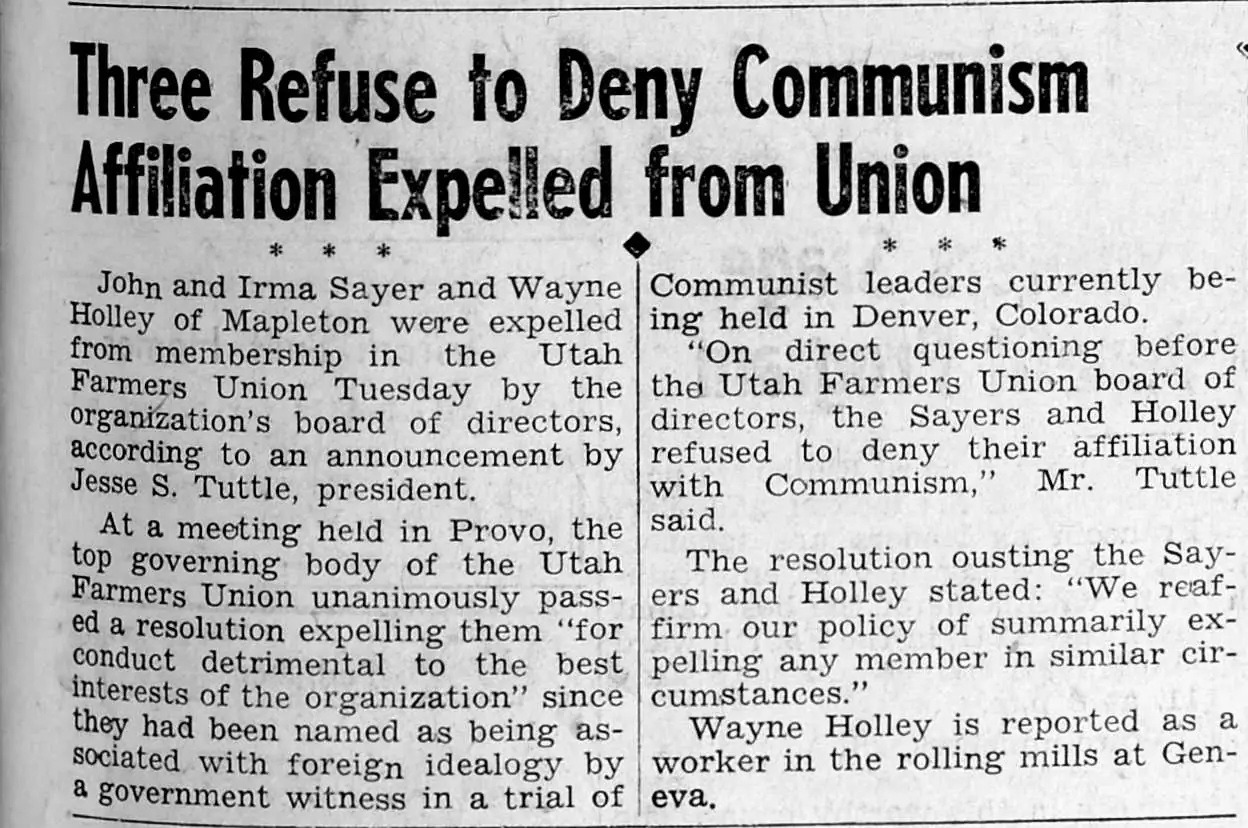
Wayne Holley, his sister Irma Sayer and her husband, John Sayer, all of Mapleton, were named by a government witness in a trial of Communist leaders in Denver, which led to their ouster from the Farmers Union, according to a May 5, 1955, article in the Springville Herald.
The Holley Family
The two siblings, Wayne and Irma, were born and raised in Mapleton. Wayne Holley was born in 1910 and Irma Holley in 1919.
They grew up on a farm in a family of seven kids. Their parents, Dallas and Ruth Holley, were children of Mormon pioneers.
John Sayer
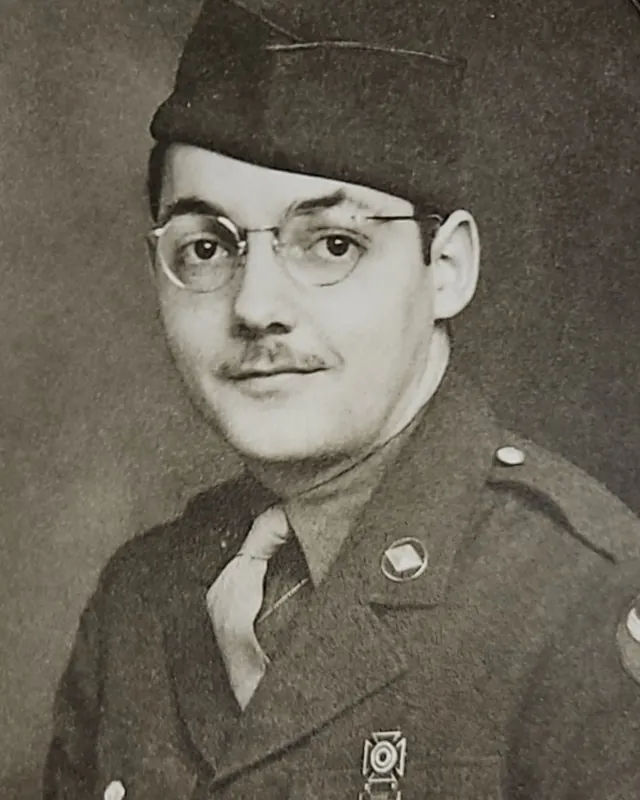
John Sayer was born in 1917 in Rigby, Idaho. He and Irma Holley married in 1940 in Salt Lake City.
John Sayer served in the U.S. Army Air Forces in Europe during World War II.
Sayer was elected to the Utah Farmers Union Board of Directors at the union's first convention in 1954, according to the Roosevelt Standard.
Irma Sayer's Activism
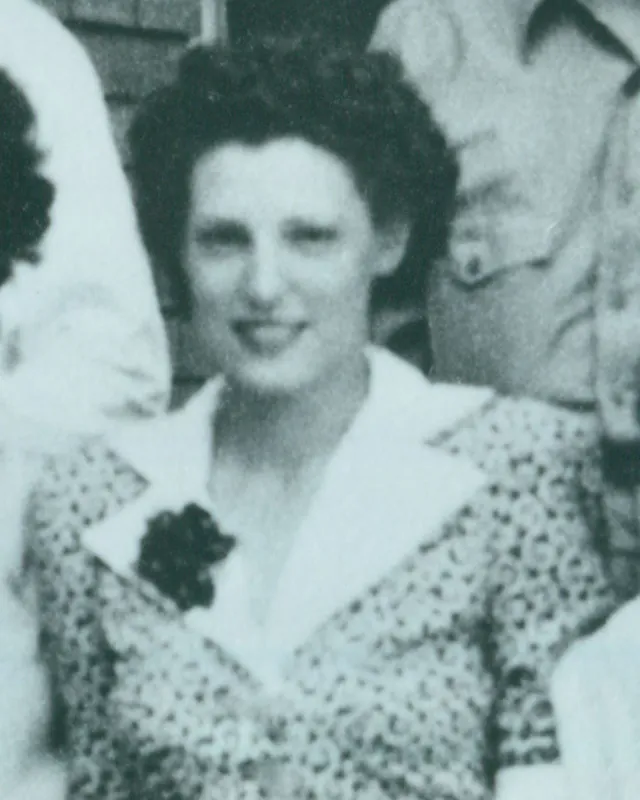
In 1998, Irma Sayer was honored for her activism by the women's group Justice, Economic Dignity and Independence for Women, according to a Deseret News article.
Irma Sayer helped form the Salt Lake chapter of the Women's International League for Peace and Freedom and was active in it for more than 20 years, according to the article.
Along with her sister, Uda, she planned a rally against the Vietnam War. The rally brought 5,000 protesters down Salt Lake's State Street. Irma Sayer and her sister were also invited to the World Peace Congress in Moscow.
She and her husband raised four children on a farm in Mapleton, the paper reported.
Wayne Holley
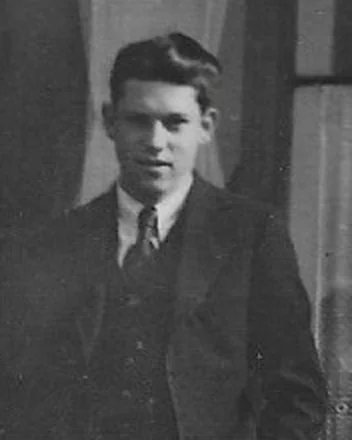
Wayne Holley left Feb. 10, 1930, to serve a Latter-day Saint mission in Germany. He later attended Brigham Young University.
He was inducted into the U.S. Army in 1942 and served 18 months in the China Burma India theater during World War II.
He married Helen Christensen in 1951 in Manti, and the couple had four children.
Wayne Holley earned multiple university degrees, according to an obituary in the People's World, but spent his career working in the rolling mills at Geneva Steel.
Holley faced additional government scrutiny in 1968, when two FBI informants told the Subversive Activities Control Board that he and Robert Archuleta were members of the Communist Party, according to an Oct. 10, 1968, column in the Orem-Geneva Times. The informants named Holley as Utah state chairman of the Communist Party.
Archuleta, better known as "Archie" Archuleta, went on to become a well-known civil rights activist in Utah. He passed away in 2019.

The 1977 BYU Controversy
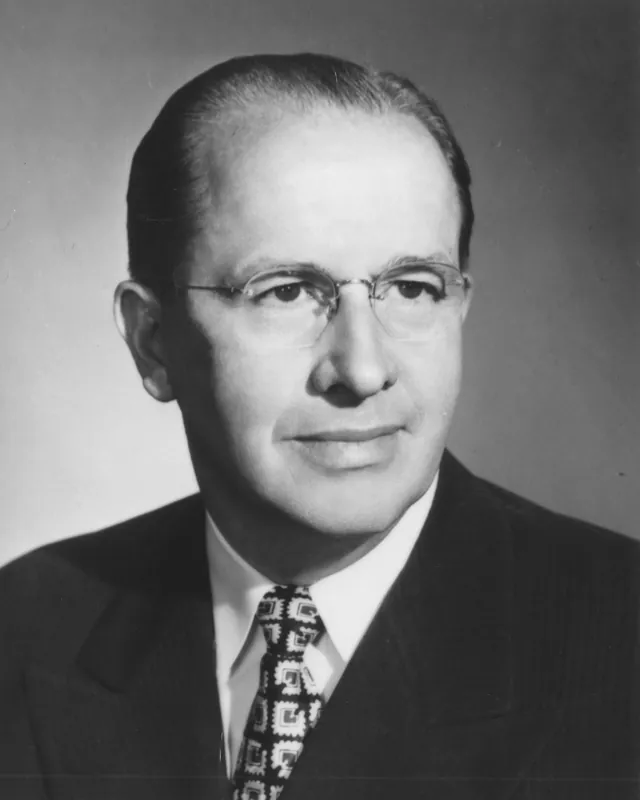
In 1977, BYU political science department chair Ray Hillam caused controversy when he arranged for Wayne Holley to speak to two political science classes, according to an article by Paul C. Richards in Dialogue.
The choice for guest speaker didn't go over well with then-Latter-day Saint apostle Ezra Taft Benson (a well-known conservative who served as secretary of agriculture under Eisenhower and later as president of the Church).
Benson addressed communism during a talk at BYU about six weeks after Holley spoke on campus.
"There is no excuse for any BYU instructor to grant a forum to an avowed communist for the purpose of teaching communism on this campus," Benson said during the April 12, 1977, devotional.
Then-BYU President Dallin H. Oaks, now president of the Church, also called a meeting with about 40 faculty members to discuss the incident, according to Dialogue.
The End of Unconventional Lives
After living unorthodox blue-collar and agrarian lives, one by one the trio passed away. John Sayer died in a farm accident in Mapleton in 1973, Wayne Holley died in Provo in 2003 and Irma Sayer died in Yelm, Washington, in 2011.